How to Plan a Surprise Proposal in Austin
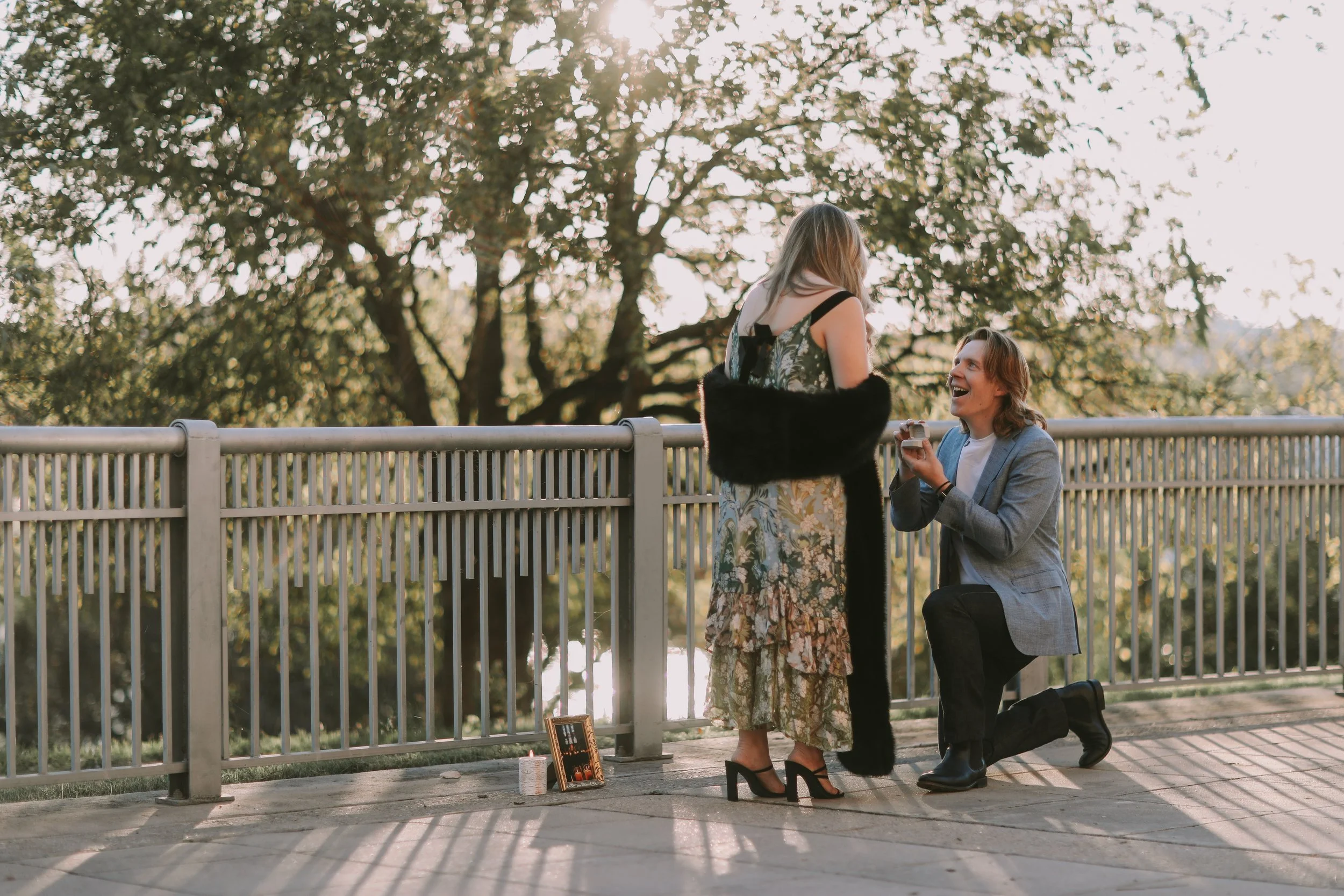
We photograph proposals in Austin year round, and the ones that go well share the same skeleton: a controlled spot, a precise time, and one person besides you who knows the whole plan. That person is usually us. Here is the exact process we walk every client through, plus the spots we keep coming back to and two real proposals to show how it plays out.
How do you plan a surprise proposal in Austin?
Plan a surprise proposal in seven steps: pick a spot you can control, set the time 45 minutes before sunset, book the photographer, build a believable cover story, stage the ring handoff, walk the exact positions once, and plan the first hour after the yes. Two to three weeks is enough lead time.
- Pick a spot you can control. Control means you know where your partner will stand, which direction they will face, and who else will be within 30 feet. A famous view you cannot control loses to an ordinary railing you can. The spot list below covers the trade-offs.
- Set the time. Aim 45 to 60 minutes before sunset. Check the sunset time for your actual date, not a guess. In Austin the difference between March and June is more than an hour of clock time.
- Book the photographer before you finalize anything else. We help pick the spot and the minute, so bringing us in first saves you a redo. We scout, we mark positions, and we answer the logistics questions below so you only have to act natural.
- Build the cover story. The best cover is a plan your partner already believes: a dinner reservation that requires nice clothes, a walk you take anyway, drinks with a view. If the cover explains the outfit and the location, you are done. Do not over-engineer it.
- Stage the ring. Front pocket, transferred before you leave the car, hand kept away from it. More on this below, because the ring is where most proposals nearly unravel.
- Walk it once. Two days out, go stand where you will kneel. Note the sight lines, the crowd pattern, and where the sun falls. We do this with you or for you. Ninety seconds of standing in the real spot beats an hour on Google Maps.
- Plan the first hour after the yes. A short session, two phone calls, then dinner. Decide all three in advance so the highest moment of the day is not followed by both of you standing there asking what now.
Where are the best places to propose in Austin?
The best proposal spots in Austin are Mount Bonnell for the classic overlook, Laguna Gloria for privacy and structure, Zilker Park for skyline views on grass, a reserved rooftop table downtown, and Hill Country overlooks west of the city. Each trades privacy against view, and crowds decide more than scenery does.
| Spot | Best for | Light | Logistics |
|---|---|---|---|
| Mount Bonnell | The classic overlook above Lake Austin | Golden hour, west facing | About 100 stone steps up, free, busiest at sunset on weekends |
| Laguna Gloria | Privacy, Italianate architecture, lakeside paths | Soft light under tree cover most of the day | 14 acre museum grounds, reserve ahead |
| Zilker Park | Skyline backdrop on open grass | Last hour before sunset | About 350 acres, free, easy weekday parking |
| Rooftop bars (Azul, P6) | City lights and a guaranteed table | Blue hour, 20 to 30 minutes after sunset | Reserve a table, tell the manager, confirm where we can stand |
| Hill Country overlooks | Long views, fewer people | Golden hour into dusk | 20 to 40 minutes west, scout footing in daylight first |
Mount Bonnell sits 775 feet above sea level and is the postcard answer, which is both its strength and its problem. On a Saturday evening you will share the pavilion with 40 strangers. On a Tuesday in February you can have it nearly alone. If your heart is set on it, go weekday, and we will hold a position at the north end before you arrive.
Laguna Gloria is the quiet-money option: 14 acres of grounds at The Contemporary Austin with an Italianate villa, lake paths, and sculpture under old oaks. It requires advance booking through the museum, which is exactly why it works. You are paying for the absence of a crowd.
Zilker is the people’s choice, and the city park is big enough that finding a private patch of grass with the skyline behind it is easy on any weekday. Rooftops trade sky for certainty: weather-proof, table reserved, ring never touches the ground. The Hill Country overlooks west on 360 and beyond give you the longest views in the region, and for engagement portraits later they pair well with the spots in our Austin engagement locations guide.
What time of day should you propose?
Propose 45 to 60 minutes before sunset on a weekday. The light is low and warm, the after-session still has time before dark, and weekday crowds run at a fraction of weekend levels. In Austin, sunset moves from about 5:30 pm in early December to 8:35 pm in late June.
Look up the real number for your date on timeanddate.com or let us set it. The mistake we see most is anchoring to a dinner reservation first and jamming the proposal into whatever light is left. Book dinner for 90 minutes after the proposal time instead. Summer needs one honest warning: an August proposal at 7:45 pm is still 98 degrees. In July and August we push couples toward shade, water, rooftops with fans, or an 8:00 am start when the light is just as good and the temperature is 74.
How does the photographer stay hidden?
We stand 30 to 50 feet away with a long lens and a reason to be there. At an overlook we photograph the view like a tourist. On a trail we look like we are shooting the water. Your partner has no reason to notice one more person with a camera.
The mechanics are simple. We arrive 30 minutes early and take the position we scouted, already shooting so the camera is up before you enter the frame. You get a signal window, not a signal: a five minute span in which to kneel, so you are not looking at us for a cue. An 85mm or longer lens from 40 feet reads every expression while we stay outside your partner’s awareness. In four years of proposals, no partner has made us before the knee hit the ground. The close call is always the same one: the proposer staring at us to check we are ready. Do not look at us. We are ready.
How do you handle the ring?
Move the ring to a front pocket before you leave the car, keep your hand off it while you walk, and kneel before you reach for it. The box is the giveaway. If the original box is bulky, a slim pocket ring holder costs about $30 and hides flat.
Two more details worth the 60 seconds they take. First, insure the ring before the proposal, not after; most jewelers hand you the appraisal paperwork at pickup and a rider takes one phone call. Second, decide which hand and which knee in advance. It sounds absurd until you are mid-kneel deciding. Left knee down, box in the left hand, opened toward her. If you want the ring photographed on its own, hand it to us during the session after, not before. We carry it for two minutes, not two hours.
What should you plan for after the yes?
Plan the first hour, not the first week. A 30 to 45 minute session right after the yes, at the spot you already chose for its light, then one call each to parents, then dinner at a table you reserved under a different name. Keep the guest surprise separate.
The session is the practical reason to schedule against golden hour: you get engagement portraits while the adrenaline is real, in the last 30 minutes of the day’s best light. Champagne is fine but assign it, either to us or to a friend, because warm champagne in a backpack you carried for three hours is its own memory. If family or friends are part of the plan, stage them at the dinner, not the proposal. Two surprises in one evening beats two surprises in 90 seconds, and it keeps the proposal itself down to two people and a camera.
What do real Austin proposals look like?
Two of ours: Jake proposed to Riley at a railing above the water in the last 20 minutes of golden light. James proposed to Kelli inside a vintage greenhouse on a private East Austin property. One took a two day scout, the other took two weeks of permission emails.
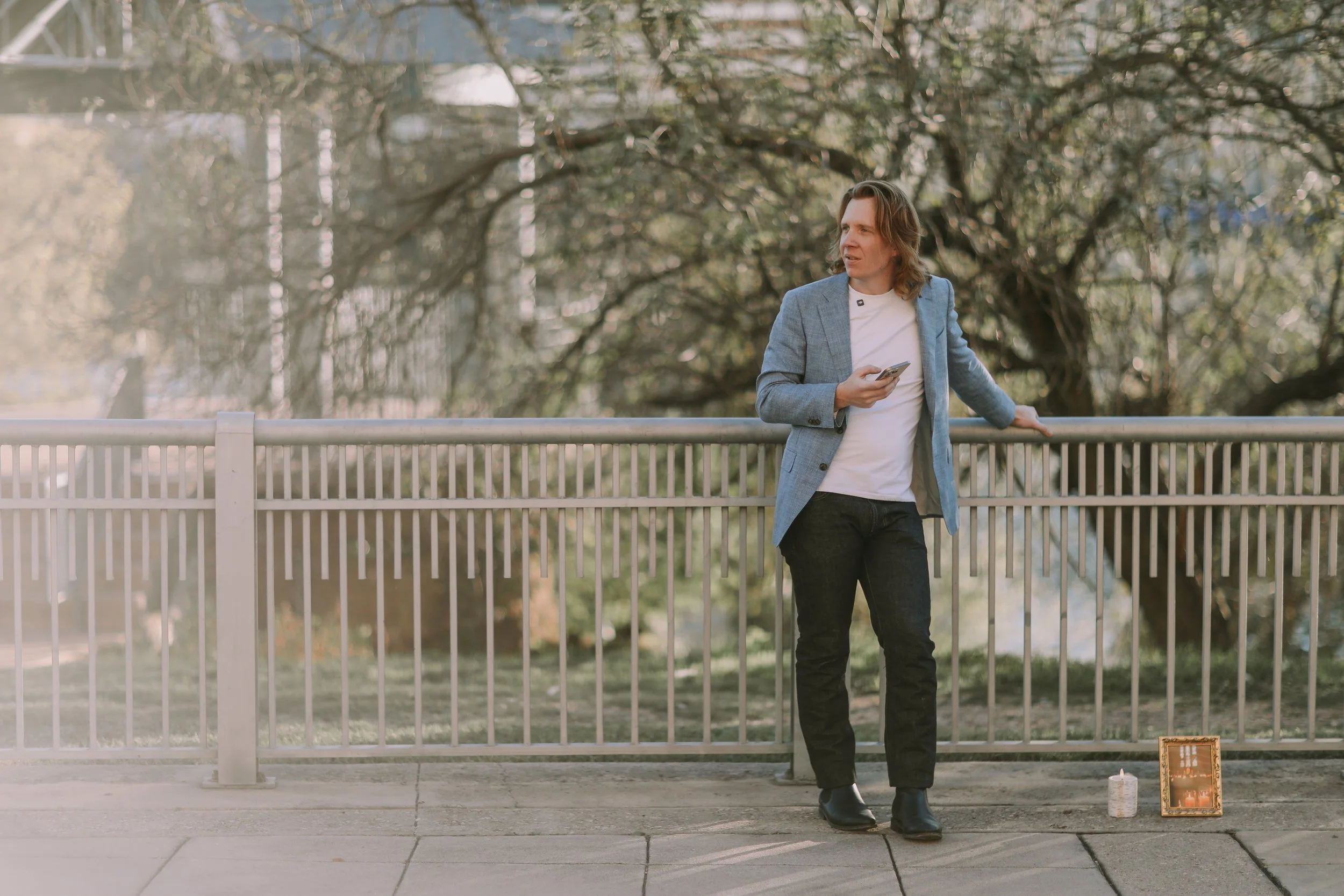
Jake wanted water and no audience, so we skipped the famous overlooks and scouted a quiet stretch of railing two days out. He set a small sign and a candle at the base of the rail, stood there checking his phone like a man early for drinks, and Riley walked up believing exactly that. He knelt inside his five minute window with the sun about 20 minutes from the horizon. Total cost of the location: zero dollars and one walk.
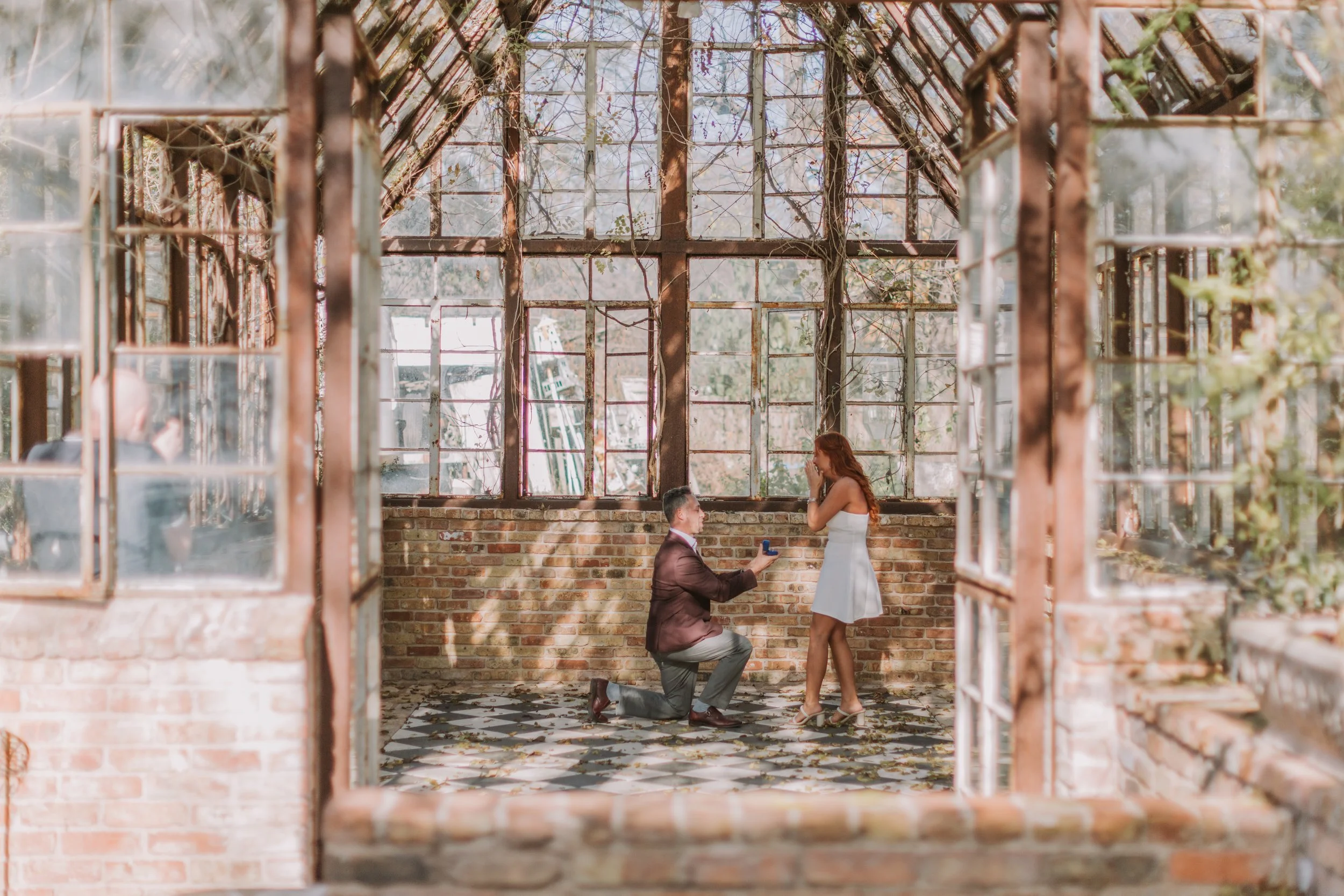
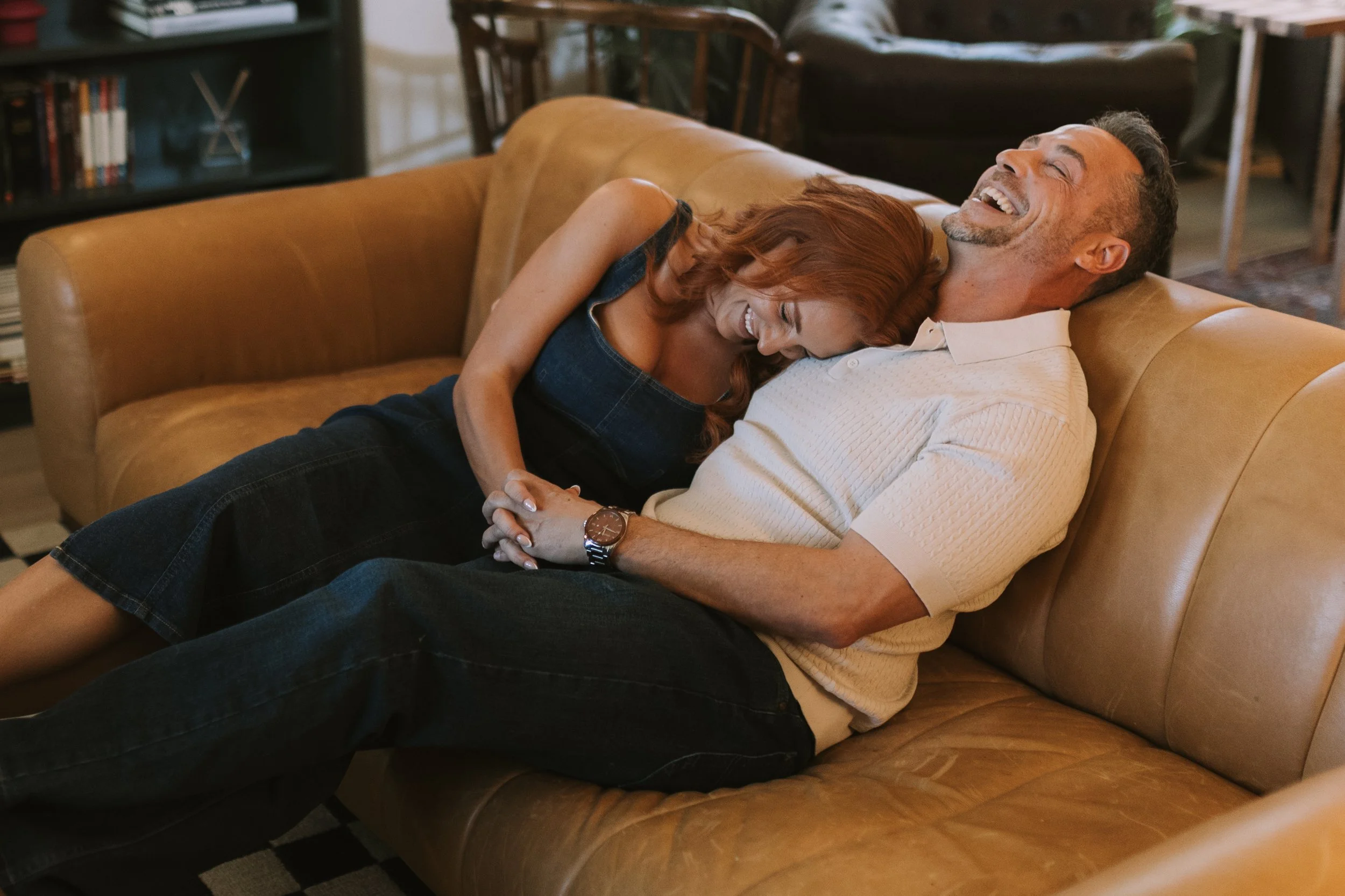
James went the other direction. Kelli loves old structures, so he asked us about the brick and glass greenhouse we had shot before on a private property in East Austin. Permission took two weeks of emails, and it bought them a proposal with no bystanders at all, midday light falling through vintage panes onto a checkered tile floor. Afterward we did their session at home on the couch, which is where they actually live their life, and those frames are some of our favorites of the year.
Ready to plan yours?
Our proposal coverage starts at $2,500 and includes the planning above: spot selection, scouting, hidden coverage, and the session after. We photograph a limited number of proposals each year and golden hour dates book first. Check your date. We reply to every inquiry within 48 hours.
Questions couples ask
How far in advance should I plan a surprise proposal in Austin?
Two to three weeks is comfortable. That covers scouting, the photographer booking, and any reservation the location needs. We have pulled proposals together in 48 hours, but golden hour slots on Friday and Saturday go first.
How much does a proposal photographer cost in Austin?
Our proposal coverage starts at $2,500. That includes planning help, a scouted spot with exact positioning, hidden coverage of the proposal itself, and a 30 to 45 minute session with both of you after.
Do I need a permit or reservation to propose in Austin?
Public spots like Mount Bonnell and Zilker Park are open to a couple and a photographer. Private grounds like Laguna Gloria require advance booking through The Contemporary Austin, and Hamilton Pool requires a reservation just to enter. We confirm requirements for your spot during planning.
What time is golden hour in Austin?
Roughly the last hour before sunset. Austin sunsets range from about 5:30 pm in early December to 8:35 pm in late June, so the right proposal time shifts by three hours across the year. We set the exact time for your date.
How does the photographer stay hidden during a surprise proposal?
We shoot from 30 to 50 feet away with a long lens, dressed like someone photographing the view. Your partner sees one more person with a camera at a scenic spot, which in Austin is nobody at all.