How Many Hours of Wedding Photography Coverage Do You Need?
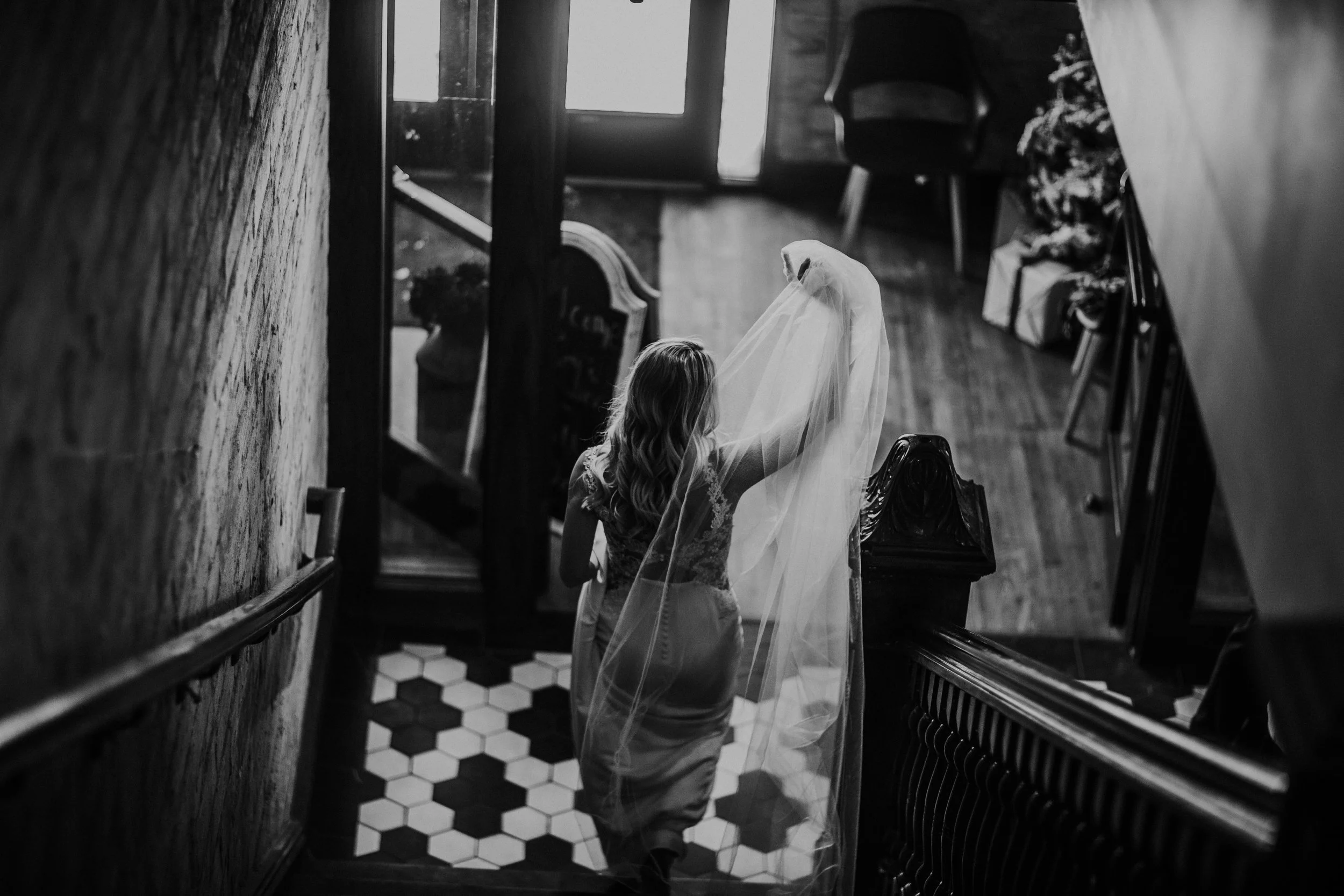
Coverage hours are the first real decision you make after choosing a photographer. They set a budget line, they decide when hair and makeup has to finish, and they determine whether we are in the room when your mother sees you dressed for the first time. Allie and I plan every one of our wedding collections around this number, so here is the honest math we use.
How many hours of wedding photography do you need?
Eight hours is the right answer for most weddings. If you are hosting 50 guests or fewer, 4 to 6 hours covers the day. Around 100 guests, plan on 6 to 8. At 150 guests with a first look, book 8 hours plus a second shooter. Over 150 guests, or a day spread across multiple locations, book 10.
| Your wedding | Coverage | Second shooter |
|---|---|---|
| Up to 50 guests, one location | 4 to 6 hours | Optional |
| Around 100 guests, one location | 6 to 8 hours | Worth considering |
| 150 or more guests, with a first look | 8 hours | Yes |
| More than 150 guests, or two or more locations | 10 hours | Yes |
Guest count is doing two jobs in that table. It predicts how long the mechanics take, because 150 guests take about 20 minutes longer to seat, release, and gather than 60 do. And it predicts how much is happening at once, which is what decides the second shooter. Those two forces, time and simultaneity, are the whole equation.
Where do the hours actually go?
An 8 hour day is not padding. It is a chain of blocks that each have a real minimum, and cutting one block does not shrink the block, it deletes it. Here is the standard sequence we photograph, with the durations we actually see on the ground, not the optimistic versions.
- Getting ready and details: 60 to 90 minutes. Dress, rings, letters, the last 30 minutes of hair and makeup, and the quiet before everything starts.
- First look and couple portraits: 45 minutes.
- Wedding party and family formals: 45 to 60 minutes. A typical family list is 8 to 10 groupings at 3 to 4 minutes each, and that is with someone calling names.
- Hiding the couple, photographing the untouched ceremony space: 30 minutes.
- Ceremony: 30 minutes. Most ceremonies we photograph run 20 to 25 minutes; religious services run longer.
- Cocktail hour and the untouched reception room: 60 minutes.
- Dinner, toasts, and parent dances: 90 minutes.
- Open dancing and the exit: the remaining 60 to 75 minutes.
Add those minimums and you land at roughly 7.5 hours before a single thing goes wrong. That is why 8 is the standard and not a sales figure. The full minute-by-minute version, including how a first look rearranges the afternoon, is in our sample wedding day timeline.
When is 4 to 6 hours enough?
Four to six hours works when the wedding is 50 guests or fewer at a single location. A small guest list compresses everything: family formals drop to 4 or 5 groupings, there is no wedding party procession to stage, and dinner for 40 moves twice as fast as dinner for 180. The whole day genuinely fits.
At 4 hours we typically start 45 minutes before the ceremony and stay through dinner and toasts. At 6 hours we add getting ready on the front end and the first stretch of dancing on the back. What a short day cannot absorb is a location change or a long gap between ceremony and reception, because transit and idle time come straight out of your coverage at full price.
When do you need 8 hours and a second shooter?
Once the guest list passes 150, book 8 hours and add a second photographer. That number is not ours; 150 is the industry threshold where one camera stops being able to cover a wedding honestly. During the processional I am at the front waiting for your faces. The second shooter is behind you, photographing your father’s reaction and the 200 people standing for you. One photographer can only hold one of those.
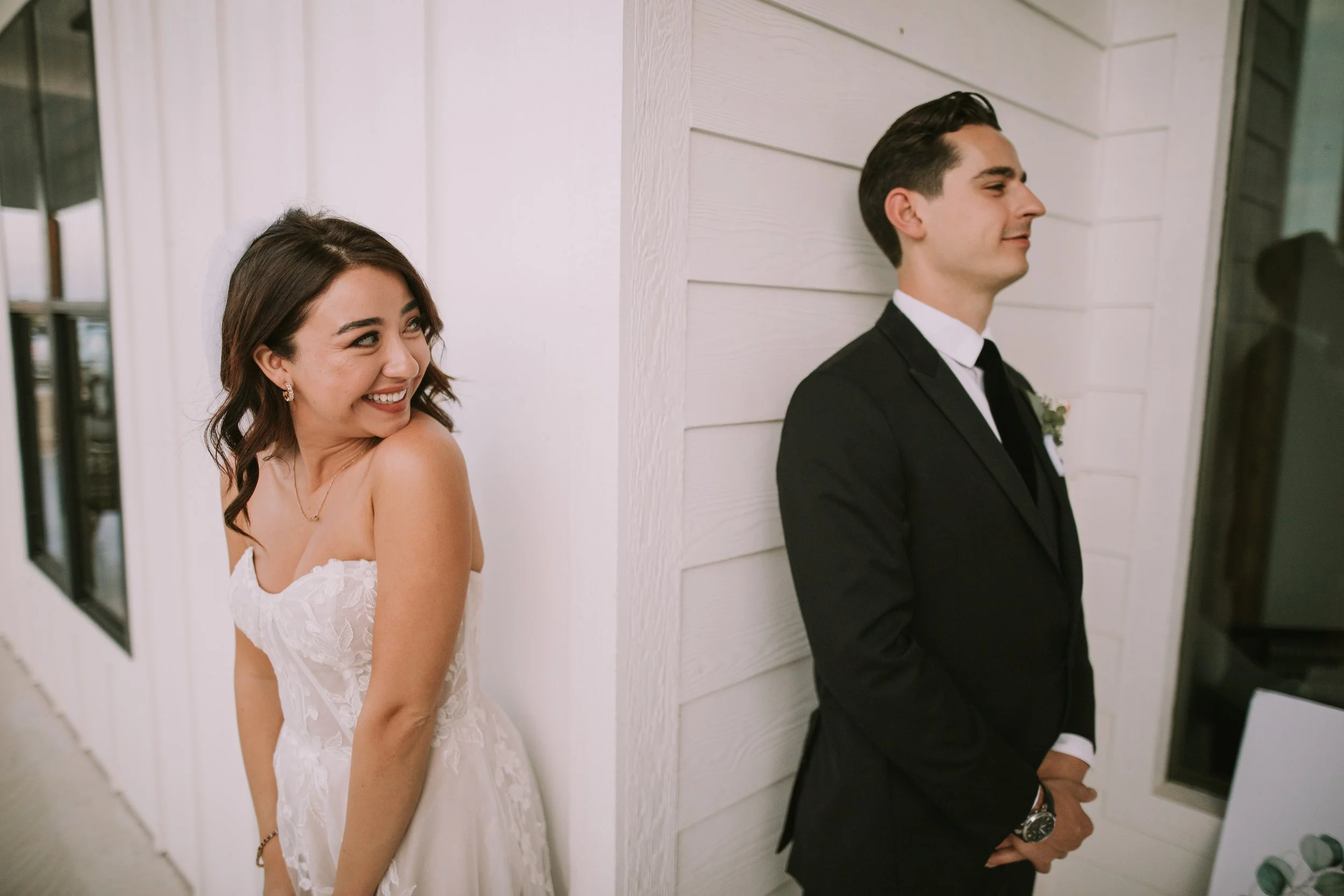
The first look matters here too. It moves 45 minutes of portraits and most formals before the ceremony, which is the only way an 8 hour block reaches from getting ready to the dance floor without a gap. Skip the first look at 150 guests and you are asking cocktail hour to contain portraits, wedding party, and both families, which is how couples miss their own cocktail hour. We wrote more about that trade in the timeline guide.
For what it is worth, 8 hours is also what the market has settled on. The Knot’s vendor data puts typical full-day coverage at 8 hours nationally, at a 2025 national average cost of about $2,900, with experienced studios in major markets well above that (The Knot). Our collections start at $8,000 and include 8 hours, so the question for our couples is rarely whether to book 8. It is whether the day needs 10.
When should you book 10 hours?
Book 10 hours when the guest count is over 150, or the day involves more than one location. Every location change costs 60 to 90 minutes of coverage: 15 minutes loading out, 20 to 45 minutes of transit each way in Austin traffic, 15 minutes resetting. Two locations means paying that toll twice, and it comes out of portraits or dancing unless the hours are there.
Ten hours also buys the light. In Austin the sun sets around 8:30pm in June and around 5:35pm in early December (timeanddate.com). A summer wedding that wants golden hour portraits at 8:00pm and still wants getting ready coverage at 11:00am is a 10 hour day by simple subtraction. We would rather tell you that now than at the reception.
Does a first look change how many hours you need?
A first look does not add hours. It rearranges them, and the rearrangement is what lets 8 hours feel unhurried. With a first look, portraits and most formals happen in the 90 minutes before the ceremony, you attend your own cocktail hour, and sunset needs only a 15 minute step-out. Without one, everything queues up in the 60 minutes after the ceremony, and at 150 guests that queue does not fit. If you are undecided, the timeline post walks both versions of the same day side by side.
How do you pick your number without guessing?
Count three things: guests, locations, and whether you want a first look. Fifty or fewer at one spot, book 4 to 6 hours. Around 100, book 6 to 8. At 150 with a first look, book 8 with a second shooter. Above 150 or across two locations, book 10. That covers nearly every wedding we photograph.
If you want the specific number for your day, our photography hours calculator takes four inputs, guest count, locations, first look, and where you are getting ready, and returns the coverage we would actually recommend, including whether a second shooter earns its place. It uses the same rules table you just read. And if you would rather talk it through, our wedding collections page covers what each block of hours includes, or you can simply write to us and check your date.
Questions couples ask
Is 6 hours of wedding photography enough?
For roughly 100 guests at a single location, yes. Six hours covers the end of getting ready, the ceremony, formals, and the first hour or two of the reception. It usually means skipping detail coverage early in the day and leaving before open dancing.
What is the most common wedding photography coverage?
Eight hours. It is the standard for a 100 to 150 guest wedding at one venue, and it is what most of our Austin couples book. Eight hours reaches from getting ready through the first dances with a small buffer for delays.
Do I need a second photographer?
At 150 guests or more, yes. One photographer cannot hold the ceremony wide shot and the close reaction at the same time, and a large cocktail hour has more happening than one person can reach. Under 100 guests, a second shooter is optional.
How many hours do I need for a small wedding or elopement?
Four to six hours. Fifty guests or fewer at one location compresses every part of the day. Four hours covers ceremony, portraits, and dinner. Six adds getting ready and part of the dancing.
What happens if the day runs long?
We build a 30 minute buffer into every timeline we plan, so most delays never touch your coverage. If the day genuinely outruns the booked hours, we stay when it matters and bill the additional time afterward rather than walking out mid-toast.