The Perfect Wedding Day Photography Timeline (8-Hour Sample + First Look)
Every timeline we build starts from two anchors: the ceremony time and the sunset. Everything else is arithmetic. Below is the 8-hour schedule we hand most of our Austin couples, the variant without a first look, and the sunset math behind both. These are the numbers we actually use, refined over years of wedding days, and they hold up whether the wedding is in Wimberley or Costa Rica.
What does an 8-hour wedding photography timeline look like?
An 8-hour day with a first look runs roughly 1:30 PM to 9:30 PM for a 4:30 ceremony: 75 minutes of details and getting ready, a 40-minute first look and portrait block, a 30-minute ceremony, 30 minutes of family photos, dinner, a 20-minute sunset session, and about 90 minutes of dancing.
The sample below assumes a fall Saturday in Austin with a 6:55 PM sunset, about 120 guests, and the ceremony and reception at one venue. If your ceremony time differs, shift every row by the same amount. The durations are the part that stays true.
| Time | What happens | Duration |
|---|---|---|
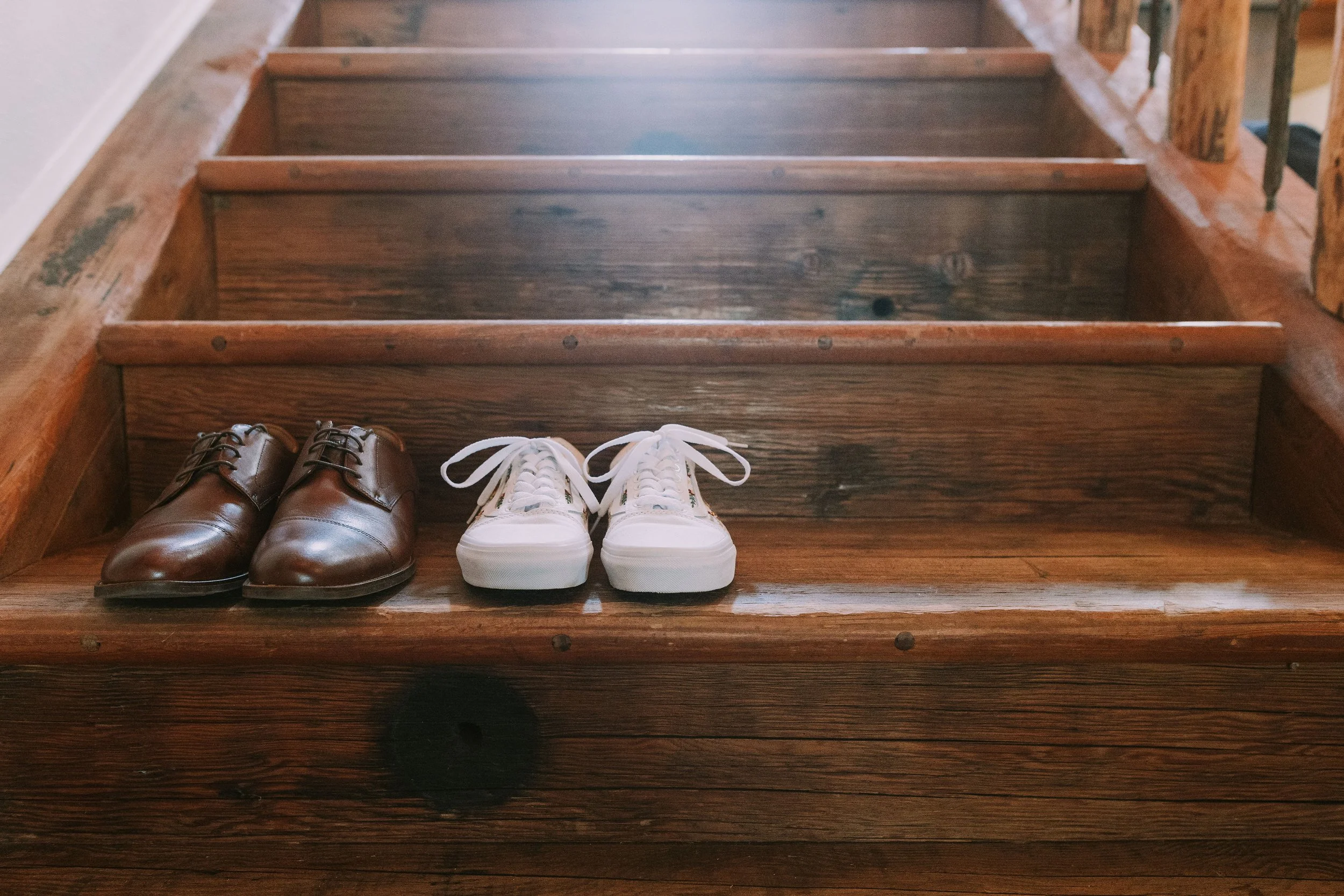
| 1:30 PM | We arrive. Rings, invitation suite, dress, shoes, the getting-ready room | 45 min |
| 2:15 PM | End of hair and makeup, letters and gifts, the people in the room | 30 min |
| 2:45 PM | Into the dress. Mom or maid of honor on the buttons | 15 min |
| 3:00 PM | First look and couple portraits, somewhere private | 40 min |
| 3:40 PM | Full wedding party, then each side separately | 25 min |
| 4:05 PM | Everyone tucked away. We shoot the untouched ceremony site as guests arrive | 25 min |
| 4:30 PM | Ceremony | 30 min |
| 5:00 PM | Family photos, 8 to 10 groupings | 30 min |
| 5:30 PM | You attend your cocktail hour. We photograph the untouched reception room | 30 min |
| 6:00 PM | Entrance and dinner service | 25 min |
| 6:25 PM | Sunset portraits while guests eat. Golden hour starts around 6:15 | 20 min |
| 7:00 PM | Toasts | 30 min |
| 7:30 PM | First dance, parent dances, cake | 30 min |
| 8:00 PM | Open dance floor | 90 min |
| 9:30 PM | Coverage ends |
A few of these rows do more work than they appear to.
The 45-minute detail block is not padding. A properly built and lit flat lay takes 20 minutes on its own, and it happens while hair and makeup finishes, which is the stretch of the day most likely to run behind. If makeup runs 30 minutes late, the details are already done and nothing downstream moves.
The 25 minutes at 4:05 is the buffer of the day. Everyone is hidden before the first guest walks in, touch-ups happen, water gets drunk, and we photograph the ceremony site while it is still perfect. When something earlier slips, this is the block that absorbs it. Guests never know.
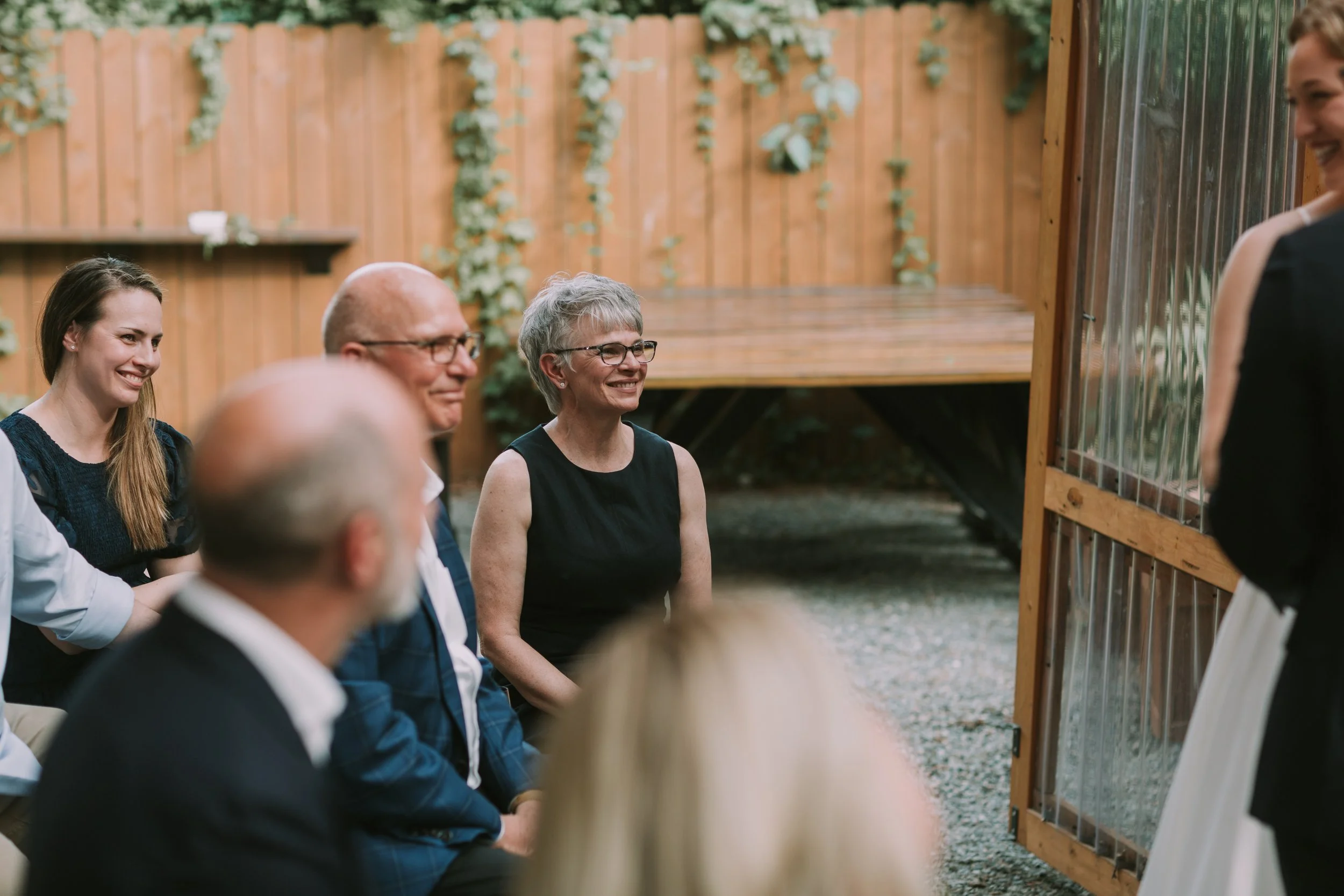
Cocktail hour belongs to you. Because portraits are finished before the ceremony, you spend that full hour with the 120 people who flew in to see you. In our experience that single hour is the strongest practical argument for a first look.
How does a first look change the timeline?
A first look moves roughly 65 minutes of portraits from after the ceremony to before it. Without one, couple and wedding party photos compress into cocktail hour, so you attend little or none of it, and the ceremony usually needs to start about 30 minutes earlier to protect the evening light.
Whether you should do one is a separate decision, and we wrote about both sides honestly in Should you do a first look?. Here is what changes on paper for the same 8-hour day without one:
- Coverage shifts later. The day runs 2:00 to 10:00 PM instead of 1:30 to 9:30, because there is less to photograph before the ceremony and more after dark.
- The ceremony moves up to 4:00 PM. All portraits now live between the ceremony and dinner, and that window has to end before the light does.
- The post-ceremony block runs 75 minutes straight. Family groupings take 30 minutes, the full wedding party about 20, and the two of you about 25. It works, but it is a march, and it happens during the social peak of the day.
- You catch the last 10 or 15 minutes of cocktail hour if everything runs exactly on time. Most couples catch none of it.
- Sunset portraits during dinner stay, and matter more. With the daylight couple session gone, that 20-minute dinner escape becomes the main portrait window of the day rather than a bonus.
Both versions produce a full gallery. The first-look version produces a calmer day. We photograph plenty of each, and the couples who skip the first look for the sake of the aisle reaction almost never regret it either. The point of the timeline is that the choice costs 65 minutes somewhere, and you should decide where.
When should sunset portraits happen?
Start sunset portraits 40 to 45 minutes before the listed sunset time and plan on 15 to 20 minutes outside. The last hour before sunset is golden hour, and the final 20 minutes of it are the softest light of the day. In late October in Austin that means stepping out around 6:15 PM.
The number that surprises couples is how much sunset moves. In Austin, sunset ranges from about 5:30 PM in early December to 8:37 PM in late June, per timeanddate.com. That is a swing of more than 3 hours. A timeline copied from a June wedding fails a November wedding completely: the November couple who schedules a 5:30 ceremony walks out of it into darkness.
So we back-solve. The working rule:
- With a first look: ceremony start = sunset minus 2.5 hours. A 6:55 sunset puts the ceremony at 4:30, which lands family photos and cocktail hour in daylight and dinner right against golden hour.
- Without a first look: ceremony start = sunset minus 3 hours, because the 75-minute portrait block has to fit between the ceremony and the light running out.
- Winter weddings: a 5:30 PM December sunset means a 3:00 PM ceremony with a first look. Earlier than most couples expect, and non-negotiable if evening portraits matter to you.
The reason we schedule the sunset session during dinner is simple: guests are seated, the catering staff controls the room, and nobody misses you for 20 minutes. We watch the light, not the clock, and we come get you when it turns.
If you want the exact numbers for your own date and venue, we built a free golden hour timeline builder that pulls real sun data for your location and back-solves the ceremony time for you. For a second opinion on the raw solar math, NOAA publishes a solar calculator that returns sunset for any coordinates and date.
Is 8 hours of coverage enough?
Eight hours covers most weddings of 150 guests or fewer at a single venue: from the end of getting ready through 90 minutes of open dance floor. Two locations, more than 150 guests, or a send-off after 10:00 PM push the day to 10 hours. Under 50 guests, 6 can work.
The honest test is the back end of the night. The dance floor at 8:15 looks like the dance floor at 10:45, only sweatier. After about 90 minutes of open dancing, the photographs repeat themselves. So instead of buying hour ten to stand in the same room, most couples do a staged exit: at 9:15 we take the 20 or so guests still going strong, run the sparkler exit, and the two of you walk back inside and keep dancing. The gallery gets the exit. You get the extra hour of your own party.
The cases where 10 hours genuinely earns its cost: a ceremony and reception in different parts of town, an orthodox or multi-part ceremony, a guest list past 150 with a long formal reception program, or a real end-of-night exit you want documented with everyone present. We went deeper on this decision, with the math for 6, 8, and 10 hour days, in How many hours of wedding coverage do you need?
This is also why our wedding collections start at 8 hours. Below that, something on this timeline has to be cut out of the gallery, and it is usually either getting ready or the dance floor.
What do wedding timelines get wrong most often?
Missing buffers. Hair and makeup runs behind at more than half the weddings we photograph, family photo lists grow on the spot, and almost nobody budgets travel honestly. Three cushions fix nearly all of it: 15 minutes after makeup, 3 minutes per family grouping, and drive time plus 15 for any move.
The family photo math is the one to respect. Each grouping takes about 3 minutes: name it, gather it, arrange it, shoot it, release it. Ten groupings is 30 minutes. Twenty groupings is a full hour, and that hour comes directly out of your cocktail hour or your portraits. We cap the formal list at 8 to 10 combinations, printed, with names, and one loud designated relative who knows every face. Every other combination happens naturally at the reception, where people are happier anyway.
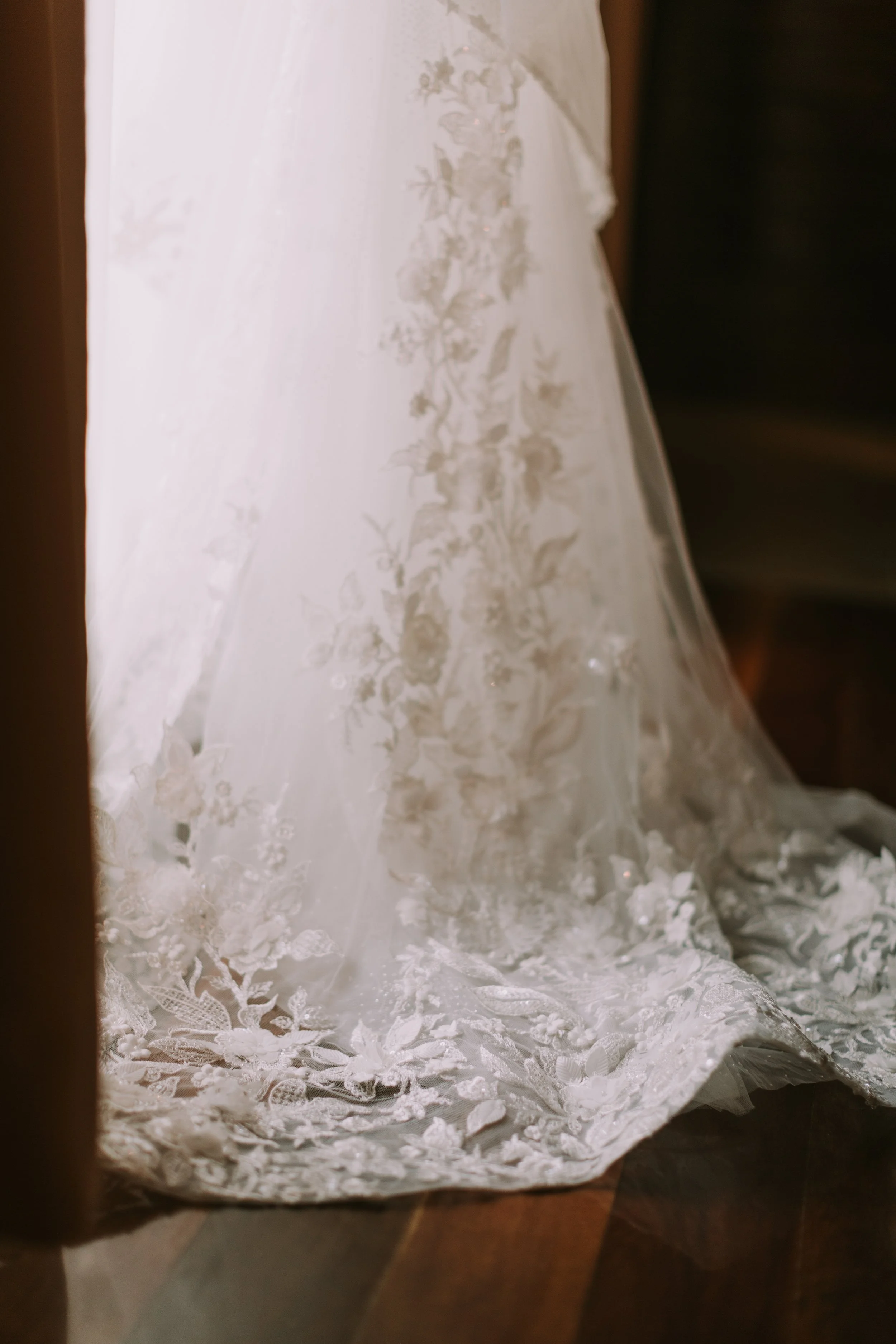
The dress takes longer than anyone plans. A zipper takes 5 minutes. A corseted back takes 20 to 25, and it cannot be rushed on camera. We ask which one it is before we build the schedule.
Travel is always lied about, usually by accident. The rule: the drive time a map app shows, plus parking, plus walking in heels, plus 15 minutes. An 18-minute drive between a downtown Austin church and a Hill Country reception is a 45-minute timeline block, not an 18-minute one.
Sunset does not negotiate. Every other block on the schedule can flex. Toasts can slide 15 minutes, cake can wait, and no one will remember. The light leaves on time whether the timeline is ready or not, which is why the whole day is built backward from it.
How do we build yours?
We draft a custom timeline for every couple about six weeks out, on a call with you and your planner if you have one. We start from your sunset, your venue, and your guest list, then argue gently about buffers until the day holds together on paper. It usually takes under an hour, and it is included with every wedding we photograph.
Questions couples ask
How many hours before the ceremony should the photographer arrive?
For an 8-hour day with a first look, about 3 hours before the ceremony. That covers details, the end of getting ready, the first look, and wedding party photos, with everyone tucked away 25 minutes before guests are seated.
What time should an 8-hour photography day start?
Count backward from the end, not forward from the morning. If dancing wraps by 9:30 PM, coverage runs 1:30 to 9:30 PM. If you want a staged exit at 10:00 PM, start at 2:00 PM and trim the getting-ready block instead.
How long do family photos take after the ceremony?
Plan 3 minutes per grouping. Eight to ten groupings takes about 30 minutes. A printed list, names read aloud, and one loud designated family wrangler keep it on schedule.
When should sunset portraits happen?
During dinner. We step out with the couple for 15 to 20 minutes starting about 40 minutes before sunset, while guests are seated and eating. Nobody misses anything, and the light is the best of the entire day.
Does an 8-hour timeline work without a first look?
Yes, with tradeoffs. All portraits compress into the 75 minutes after the ceremony, so the couple sees little of cocktail hour, and the ceremony usually needs to start about 30 minutes earlier to protect the evening light.